

Career-Focused ITIL® Drive Stakeholder Value Certification Training for Professionals in Turkey
Achieve ITIL 4 Specialist: Drive Stakeholder Value certification and demonstrate your ability to lead IT teams effectively.
Enhanced knowledge sharing: Sharing of best practices and expertise.
Improved innovation: A culture of experimentation and continuous improvement.
Improved employee satisfaction: A positive and rewarding work experience.
Enhanced employee retention: Reduced turnover and increased loyalty.
CORPORATE TRAINING
- Wide range of Training dates
- Impactful Instructor-Led training
Turkey: Key Features & Benefits of ITIL 4 Drive Stakeholder Value (DSV)® Course

Understand the scope of directing and planning

Get an overview of the key concepts of Direct, Plan & Improve

Know about the role of GRC and how integration of methods?

Learn how to implement the key principles and methods for continual improvement

Application of the key principles and methods of organizational change management

Get an overview of the key concepts of Direct, Plan & Improve
Why Turkey Learners Achieve Success with ScholarAcad ITIL 4 Drive Stakeholder Value (DSV) Scucess

Improved Organizational Agility
Adapt to changing market conditions and industry trends.
Improved Corporate Social Responsibility
Contribute positively to society and the environment.


Improved Global Competitiveness
Enhance your company's competitive advantage in the global marketplace.
Improved Succession Planning
Identify and develop high-potential employees to fill critical roles.


Improved Organizational Resilience
Build resilience and the ability to withstand challenges.
Improved Customer Loyalty
Foster long-term customer relationships through exceptional service.

Knowledge and Insights from the ITIL 4 Drive Stakeholder Value (DSV) Course in Turkey
No learning points available.
Key Topics in ITIL 4 Drive Stakeholder Value (DSV) Curriculum in Turkey
- Introduction to ITIL and ITIL 4
- Recap of ITIL 4 Foundation
- Recap of core components of ITIL
- Introduction to DSV
- Importance of Engagement
- DSV: Key Terms and Concepts
Understanding customer journeys
- Purpose and value of customer journeys
- Steps involved in customer journeys
- Stages involved in customer journeys
- Touchpoints and interactions
- Mapping customer journeys: Need and purpose
- Draw a customer journey map
- Customer experience
- Key aspects involved in designing customer journeys
- Design thinking
- The role of Behavioural Psychology
- Design and culture
- Measuring and improving customer journey
- Explore: overview and common pitfalls
- Explore: from the service consumer and provider perspective
- Purpose of the organization and different stakeholders
- PESTLE and SWOT Analysis
- Objectives and opportunities for service risks and mitigation
- Identify, evaluate and select service providers
- Understanding markets
- Market segmentation
- Identifying and analyzing service consumers
- Targeting markets and value proposition
- Marketplace and marketspace
- Personalizing and profiling
- Targeted marketing
- Brand and reputation
- Sustainability and triple bottom-line
- Importance of existing customers
Introduction to ‘Engage’
- The purpose of Engage
- Communicating and collaborating
- Why care about diversity in communication
- Types of service relationships – Parts 1 and 2
- Service relationship
- Service relationship ladder
- Service relationship ladder: Creating an environment that allows relationship patterns to emerge
- Service relationship ladder: Building and sustaining trust and relationships
- Understanding service provider capabilities
- Understanding customer needs
- Supplier and partner relationships
- Applying Practice: Key aspects of Relationship Management
- Applying Practice: Practice Success Factors (PSF) in Relationship Management
- Applying Practice: Practice Success Factors (PSF) in Supplier Management
Purpose of ‘Offer’
- Managing demand and opportunities
- Shaping and smoothing demand
- Business case
- Specifying and managing customer requirements
- Minimum Viable Product
- User stories and story mapping
- Applying the MOSCOW method
- Weighted Shortest Job First (WSJF)
- Designing service offerings and user experience
- Lean thinking
- Agile software development approach
- Designing approaches
- Design for onboarding
- Selling and obtaining service offerings
- Applying practice: Business Analysis
Purpose of Agree
- Service value drivers
- Service interaction method
- Service quality and service level
- Characteristics of service
- Negotiating and agreeing service
- Forms of agreement – Parts 1 and 2
- Outcome-based Agreements
- Consumer needs to Agreement
- Content and structure of SLA
- Negotiating and agreeing utility, warranty, and experience
- Negotiating and agreeing other terms and conditions
- Standardizing and automating agreements
- Applying Practice: Service Level Management
- Applying Practice: Practice Success Factors (PSF) Part 1
- Applying Practice: Practice Success Factors (PSF) Part 2
Purpose of ‘Onboard’
- Planning Onboarding
- Fostering relationships with users
- User engagement and delivery channels
- Enabling users for services
- Enabling mutual capabilities
- Offboarding customers and users
- Applying practice: Service Catalogue Management
- Practice Success Factors of Service Catalogue Management - Part1
- Practice Success Factors of Service Catalogue Management - Part 2
- Applying Practice: Service Desk
- Applying Practice: Practice Success Factors (PSFs) - Part 1
- Applying Practice: Practice Success Factors (PSFs) - Part 2
Purpose of ‘Co-create’
- Fostering a service mindset
- Service mindset: Provision
- Service mindset: Consumption
- Provision of user services
- Activities within ongoing Service Interactions
- Service requests
- Service desk interactions
- Exceptions – when things go wrong
- Moments of truth
- Intelligent disobedience
- Customer and user feedback
- Nurturing user communities
- Applying Practice: Co-create
- Applying Practice: Practice Success Factors (PSFs) – Part 1
- Applying Practice: Practice Success Factors (PSFs) – Part 2
Purpose of ‘Realize’
- Validating service value
- Tracking value realization
- Service profit chain model
- Tracking experience and satisfaction
- Assessing and reporting value realization
- Evaluating value realization and improving customer journeys
- Evaluation, verification and continual improvement
- Realizing value for the service provider
- Charging and billing
- Applying Practice: Portfolio management
- Applying Practice: Practice Success Factors (PSFs) – Part 1
- Applying Practice: Practice Success Factors (PSFs) – Part 2
Corporate Training
- Impactful Instructor Led Training
- Wide range of Training dates.

Eligibility Criteria for ITIL 4 Drive Stakeholder Value (DSV) Certification Eligibility Turkey
In the India, professionals who wish to improve their understanding of service relationship management and stakeholder engagement can get the ITIL 4 Drive Stakeholder Value (DSV) Certification. As a necessary prerequisite, candidates must possess a current ITIL 4 Foundation certificate in order to be eligible for this certification. Additionally, they need to finish an approved ITIL 4 DSV training course from a recognized training provider like ScholarAcad. To better grasp the course principles, it is advised to have some prior experience or a basic understanding of IT service management, while this is not necessary. To obtain the certification and demonstrate their proficiency in generating stakeholder value through efficient service management techniques, candidates must pass the official ITIL 4 DSV exam after finishing the training.
No formal prerequisites: Open to anyone interested in ITIL.
A prerequisite is to have successfully completed the ITIL Foundation certification.
It is recommended to have the ITIL 4 Managing Professional certification, but not mandatory.
Practical experience in IT service management is beneficial but not required.
ITIL 4 Drive Stakeholder Value (DSV) Among Highest Paying Turkey








Instructor Supported Online and Group Training Classes ITIL 4 Drive Stakeholder Value (DSV) Turkey
Basic Plan
- 1. 16+ hours of live instructor-led training
- 2. Official PeopleCert-aligned ITIL 4 DSV curriculum
- 3. Focus on customer journeys and value creation
- 4. Stakeholder engagement and experience management
- 5. ITIL practices for relationship management
- 6. Exam-oriented DSV scenario discussions
- 7. Practice questions and case-based examples
- 8. Access to session recordings
- 9. Certified ITIL 4 Managing Professional trainer
- 10. Training certificate with PDUs / CPD hours
Premium Plan
- 1. Premium Plan With Training & Exam Voucher
- 2. Includes all Basic Plan features
- 3. Official ITIL 4 DSV exam voucher
- 4. Deep dive into customer-centric value streams
- 5. Advanced scenario-based exam preparation
- 6. 100+ exam-style practice questions
- 7. Detailed explanation of DSV answer logic
- 8. Full access to recordings (12-month validity)
- 9. Direct trainer Q&A for real stakeholder challenges
- 10. Step-by-step exam registration support
- 11. Strong focus on first-attempt exam success
- 12. Direct trainer Q&A for workplace challenges
Platinum Plan
- 1. Platinum Plan With Training + Exam Voucher + Templates
- 2. Includes all Premium Plan features
- 3. Ready-to-use ITIL 4 DSV templates
- 4. Customer journey and value stream templates
- 5. Service relationship and experience models
- 6. 1-on-1 exam readiness and concept review
- 7. 3 months on-call implementation mentoring
- 8. Rejoin training within one year
- 9. Specialized workshop on CX, UX, and co-creation
- 10. Personalized learning roadmap for current role
- 11. Practical tools usable immediately at workplace
Corporate Plan
- 1. Customized ITIL 4 DSV training for enterprises
- 2. Business scenarios based on real customer journeys
- 3. Private virtual or on-site classroom delivery
- 4. Stakeholder mapping and engagement workshops
- 5. Customer experience and value realization dashboards
- 6. Leadership sessions on customer value strategy
- 7. Cross-functional collaboration simulations
- 8. Bulk exam voucher and candidate management
- 9. Pre and post-training capability assessments
- 10. Post-training adoption and reporting support
- 11. Customized case studies aligned to business services
400k+
Career Transformations
200+
Workshops every month
100+
Countries and Counting
Set Your Learning Calendar
November 2026
ScholarAcad Learning
Duration: 30 Minutes
Learn everything about your certification — including fees, syllabus, benefits, courseware, corporate enquiries, and custom schedules.
Course Schedule
- Impactful Instructor Led Training
- Wide range of Training dates.

21-Day Roadmap to ITIL 4 Drive Stakeholder Value (DSV) Certification Exam Success: Turkey

Understand the Exam Format
Familiarize yourself with the exam structure, question types, and time limits.
W3
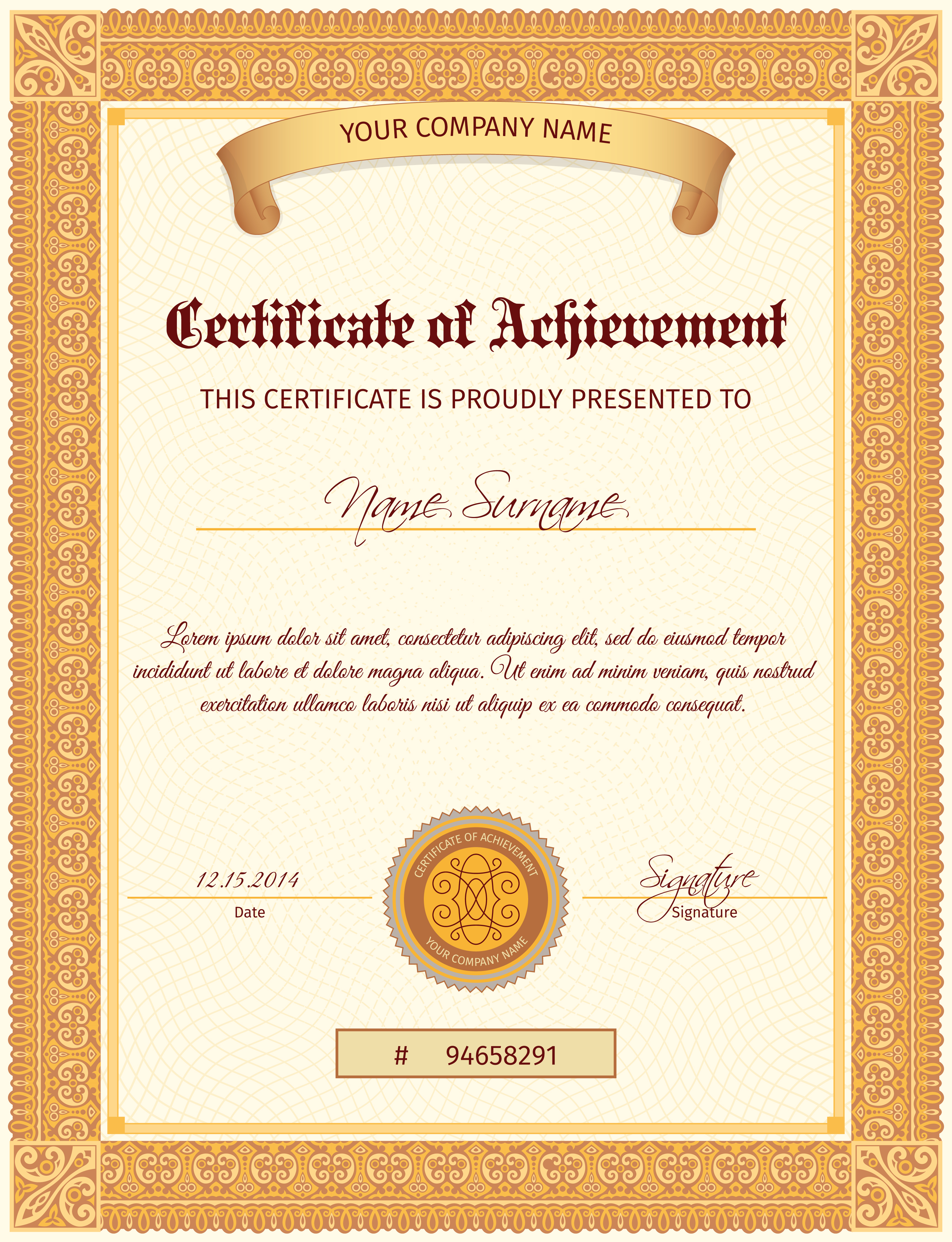
Redefine your professional path by ITIL 4 Drive Stakeholder Value (DSV) Certification Turkey
Sample Certificate Image
Strengthen Your Career Path with ITIL 4 Drive Stakeholder Value (DSV) Certification Turkey

Trending Courses
- Impactful Instructor Led Training
- Wide range of Training dates.
Learning Objective - Skills & knowledge you will get from this course
Become an ITIL 4 Specialist: Drive Stakeholder Value Maestro
Master the art and science of driving stakeholder value within the ITIL 4 framework.
Conquer the ITIL 4 Specialist: Drive Stakeholder Value Landscape
Navigate the complex terrain of ITIL 4 Specialist: Drive Stakeholder Value, mastering its key concepts, principles, and best practices.
Unleash the Power of Stakeholder Value
Learn to effectively align IT with business objectives, engage stakeholders, and deliver value.
Master the ITIL 4 Value Chain
Understand how the ITIL 4 Value Chain contributes to value creation and stakeholder satisfaction.
Navigate the ITIL 4 Practitioner Level
Build upon your ITIL 4 Foundation knowledge to delve deeper into the specialist level.
Prepare for the ITIL 4 Specialist: Drive Stakeholder Value Challenge
Develop effective study strategies, practice with mock exams, and stay updated on the latest ITIL 4 trends
A Hub for Technology, Learning, and Careers
Turkey is a rapidly growing tech hub in Europe and the Middle East, known for its strong engineering talent pool and strategic location. Its capital, Ankara , serves as the political center, while Istanbul is the economic and tech powerhouse. Turkey has emerged as a global leader in sectors like gaming, e-commerce, and fintech.
Key Locations
- Istanbul : Home to major tech companies, startups, and innovation hubs like Bosphorus Innovation Center .
- Ankara : The capital city, with government initiatives driving digital transformation and cybersecurity.
- Antalya : Emerging as a tech destination, particularly in gaming and software development.
Why These Skills Are in Demand
Turkey’s tech sector is thriving, attracting global companies and fostering local innovation. Key skills in AI, cybersecurity, DevOps, and cloud computing are essential for maintaining momentum.
- AI and Machine Learning : With a focus on advanced manufacturing, healthcare, and smart cities, Turkey needs professionals skilled in AI-driven solutions. Companies like Turkish Airlines leverage AI for operational efficiency.
- Cybersecurity : Protecting critical systems in finance, government, and telecommunications is vital. Turkey’s growing digital infrastructure requires expertise in cyber resilience .
- DevOps : Enhancing collaboration between developers and operators accelerates software deployments. Tools like Jenkins and Kubernetes are widely adopted.
- Cloud Computing : Building robust IT systems to support digital services requires proficiency in platforms like AWS and Microsoft Azure .
Resources
Learning Hub: Trend, Tips & Thought Leadership
No blogs found
We couldn’t find any blogs. Please check back later.
We also deliver Itil Sdsv across multiple locations
State and Cities We Serve
Have more questions or need personalized guidance ?
Top Hiring Companies
Alumni Success Stories
Top Catagories
Trending Courses
Testimonials
No testimonials
